Home Finance
 Personal Finance
 SME Finance
 Loan Against Securities
 Business
 Mutual Funds
 Stock and Securities
 Portfolio Management Services
 Pension Funds
 Real Estate Investments
 Life Insurance
 Health Insurance
 Multiply Wellness
 Motor Insurance
 Travel Insurance
 Pay Bills
 Pay anyone
 Pay on call
 Payment Lounge
 ABC Credit Cards




 1800-270-7000


 ENG


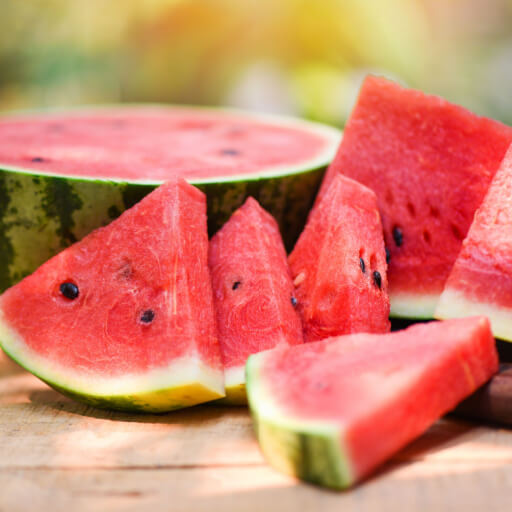
Watermelons are a delicious and watery summertime fruit. However, it contains natural sugars, which may spike your blood sugar level. This raises an important question – “Is watermelon good for people with diabetes?” The answer is yes. You can consume watermelons even if you have diabetes, as a diet packed with fruits and vegetables can help lower blood sugar levels.
Watermelon and diabetes: What Is the Connection?
There’s no particular research that shows the connection between watermelon consumption and diabetes management. However, there is some evidence that eating watermelon may help reduce your risk of certain diabetes-related complications. Watermelon is generally safe for people with diabetes if eaten in moderation. It contains a moderate amount of lycopene, which gives the fruit its color. Lycopene is also considered a powerful antioxidant and may help reduce your risk of cardiovascular disease. If you have diabetes, you should limit your watermelon portion sizes and avoid watermelon juice, which has a higher sugar concentration and lacks fiber.
Nutritional Value of Watermelon
Is watermelon good for diabetics? Let’s look at its nutritional value:
- Calories: 30
- Water: 91%
- Carbs: 7.6 grams
- Sugar: 6.2 grams
- Dietary Fiber: 0.4 grams
- Fat: 0.2 grams
- Protein: 0 grams
- Cholesterol: 0 milligrams
- Vitamin C: 13%
- Vitamin B6: 0%
- Iron: 1%
- Magnesium: 2%
Glycemic Index of Watermelon
The GI (glycemic index) of foods plays a vital role in affecting your blood sugar level. GI is the measurement of how long it takes for the sugar in the food to enter your bloodstream.
Watermelon has a GI of 72, which is considered to be high. However, as it is full of water, a typical watermelon serving of 120 grams comprises a GI of 5, making it a healthy option. Watermelon juice has a high GI, so you can avoid it if you have diabetes.
Glycemic index (GI) vs. Glycemic load (GL)
The Glycemic Index (GI) shows how quickly a food with carbs can raise your blood sugar. The Glycemic Load (GL) considers both how fast the food raises blood sugar and how much carbohydrate is in a normal serving, so it shows the actual effect on your blood sugar. For example, watermelon has a high GI, which means it can raise blood sugar quickly. But a normal slice of watermelon doesn’t have many carbs, so its GL is low. This means eating it won’t raise your blood sugar much.
In short: GI = how fast sugar rises, GL = how much sugar actually rises.
Why Does Watermelon Have a High GI but Low Impact in Small Portions?
Because watermelon is more than 90% water, each serving of watermelon is low in carbohydrate content. This means that the sugars are absorbed rapidly, but there is not a lot of them in a normal serving.
This is where portion size becomes important. A small bowl of watermelon is unlikely to have the same effect as eating a much larger quantity. For most people, keeping servings moderate allows them to enjoy the fruit without significantly affecting blood sugar levels. Rather than avoiding it altogether, it is more useful to focus on how much is being eaten and how often.
Can Diabetics Eat Watermelon?
A question that comes up often is, can diabetics eat watermelon without worrying about their blood sugar? The answer is not as strict as many people expect. Watermelon can be included in the diet, but it needs to be done thoughtfully.
If you’ve been wondering, “Is watermelon good for diabetes?”, it helps to look beyond just the sugar content. Watermelon is hydrating, light, and contains nutrients such as vitamin C and antioxidants. At the same time, because it does contain natural sugars, it should not be eaten without paying attention to portion size.
In most cases, it is not about completely avoiding the fruit, but about including it in a balanced and controlled way.
Understanding the sugar content of watermelon

The sugar content in a 286-gram watermelon is 17.7 grams, whereas a cup contains only 9.5 grams of sugar. The amount of sugar you consume depends on the watermelon quantity.
Benefits of Watermelon for Diabetic Patients
Watermelons are rich in several nutrients, which, in turn, provide several health benefits, which answers the question – “Is watermelon good for diabetics?”:
- Vitamin A: This nutrient is responsible for maintaining normal vision and enhances the function of vital organs, including the heart, kidneys and lungs.
- Vitamin C: Consuming more vitamin C-rich foods can improve your cardiovascular system, enhance your immunity, and reduce the frequency of common colds.
- Fiber: The high fiber content of watermelon helps improve your digestive health and regulates your bowel movements.
- Potassium and amino acids: Just one slice of watermelon provides 320 milligrams of potassium and citrulline, which helps maintain your blood pressurelevels. The citrulline also enhances the body’s process of converting foods into energy.
Does Watermelon Raise Blood Sugar Levels?
Watermelon contains natural sugars, so it can raise blood sugar levels to some extent. However, the effect is usually moderate when it is eaten in controlled portions. The concern arises more from how it is consumed rather than the fruit itself.
The question, ”Can sugar patients eat watermelon?” often depends on quantity and form. For example, drinking watermelon juice can lead to quicker spikes because it lacks fibre, which normally helps slow down sugar absorption.
Eating the fruit in its whole form makes a difference. The water content and small amount of fibre help regulate how quickly sugar enters the bloodstream. Over time, observing your own body’s response can also help you decide how well it fits into your diet.
How to Eat Watermelon Safely with Diabetes
If you’re still considering ‘is watermelon good for diabetics’, the answer depends largely on how it is included in your daily meals. A few simple changes in how you eat it can make a noticeable difference in blood sugar response.
Pairing Watermelon with Protein or Healthy Fats
One effective way to manage blood sugar better is to pair watermelon with foods that take longer to digest. Adding a source of protein or healthy fats, such as nuts, seeds, or yoghurt, can help slow down the absorption of sugar.
This approach not only supports better blood sugar control but also helps you feel fuller for longer. Instead of eating watermelon on its own, including it as part of a balanced snack can make it easier to manage its impact.
Portion Control: How Much Watermelon Can Diabetics Eat?
If you have diabetes, you can usually eat watermelon in moderation. A safe portion is about one cup of chopped watermelon (around 150 grams) to help keep blood sugar under control. Watermelon does have natural sugars, but it’s mostly water, contains some fiber and has nutrients like lycopene, making it a healthy fruit for diabetics. To slow down sugar absorption, you can eat it with some protein or healthy fat, such as nuts, seeds or Greek yogurt.
Incorporating Watermelon
If you want to add watermelon to your diabetic-friendly diet, balance it with foods with lots of protein and healthy fats that will help slow down sugar absorption, helping people with diabetes avoid high blood glucose levels. With a lifestyle condition like diabetes, it is advisable to pair watermelon with nuts such as walnuts and almonds and seeds like flaxseeds, chia seeds, or sunflower seeds – foods rich in healthy fats and fibers. This combination can keep you satiated for a long time, slowing the rate of sugar absorption into your bloodstream. Like most fruits, it is wise to eat watermelons without adding table sugar. While consuming watermelons, avoid eating other high-GI foods like mangoes and bananas, as they can lead to a sudden spike in your blood glucose levels.
Recipes for Diabetics

Watermelon can be used to make several healthy and delicious dishes for people with diabetes. Some of them include:
- Watermelon Sorbet
- Watermelon popsicles
- Watermelon ice cream
- Grilled watermelons
- Pickled watermelons
Diabetes-Friendly Fruit Alternatives
Other diabetes-friendly fruits you can include in your diet are the following:
- Cherries
- Peaches
- Plums
- Guava
- Papaya
- Avocado
- Grapefruit
These fruits are high in fiber, vitamins, and antioxidants, which can help manage your blood sugar. When eating fruit, it’s best to choose whole fruits instead of juices, keep the portion size small, and, if possible, eat them with protein or healthy fats, like nut butter, to slow down sugar absorption.
Myths About Watermelon and Diabetes
Here are 2 common myths about watermelon for people with diabetes:
- Watermelon seeds harm your health: A big misconception about watermelon seeds is that they can negatively affect your health. Watermelon seeds are safe to eat and can be a valuable source of nutrients. They are high in healthy fats, protein and minerals, including magnesium, iron and zinc.
- Watermelons cannot be consumed at night: It is a common misconception that eating watermelon at night can add weight or cause digestive issues. This is simply not the case. Scientific evidence does nothing to back these claims, so you can be proportional about snacking on watermelon. It is an easy-to-digest, low-calorie fruit, replete with water, so it can help keep you hydrated no matter when you eat it. The biggest key is self-regulation. As a part of a balanced diet, it can be eaten in the morning, in the middle of the day, or at the end of the evening.
With the ongoing debate surrounding healthy fruit options for those with diabetes, you might ask, “Is watermelon good for diabetics?” Contrary to misconceptions, when you consume 100 to 150 grams daily in moderation and as part of a balanced diet, watermelons can indeed be beneficial to people with diabetes.
Conclusion
Watermelons can be a fun addition to your diet as a diabetic if consumed in moderation. To reduce sugar absorption you can have it with nuts, seeds, etc. Lycopene, a powerful antioxidant present in watermelon can help people with diabetes reduce inflammation and oxidative stress.
Key Takeaways
- Watermelon is rich in vitamin A, C, fiber, and potassium.
- Its seeds do not harm your health.
- Watermelon sorbet, popsicles, and ice cream are some of its recipes.
Frequently Asked Questions
Yes, if consumed in moderation, watermelon is generally safe for people with type 2 diabetes. Include it as part of a balanced diet, keeping in mind its natural sugars.
Yes, watermelon can raise blood sugar quickly because it has a high glycemic index (GI).
If you have diabetes, you can eat about 1 cup (150 grams) of watermelon a day. Eat it in moderation because it can raise blood sugar.
No fruit is completely “best” for people with diabetes. All fruits have natural sugar, so they should be eaten in moderation. But watermelon and ripe bananas usually raise blood sugar less than mangoes.
No, you should avoid eating watermelon on an empty stomach if you have diabetes. It’s better to eat it in moderation as part of a meal with protein or healthy fats to slow sugar absorption and prevent blood sugar spikes.
Yes, people with diabetes can eat watermelon in a weight loss diet, but only in moderation. It has a low effect on blood sugar and is mostly water, so it won’t raise blood sugar much. Always check with a dietitian before starting any diet.
No, watermelon juice is not ideal for people with diabetes because it contains concentrated sugars and lacks the fiber found in whole watermelon, which can cause rapid spikes in blood sugar.
Popular Searches
jumping benefits | lose fat poses | is jaggery good for cholesterol | rainy season fruits | orange benefits | natural drink to lower cholesterol | indian food pyramid | super brain yoga benefits | homeopathy medicine in pregnancy | best natural sugar for diabetics | ajwain benefits | homemade food for travelling | protein rich food | energetic breakfast indian | how to increase white blood cells quickly | does heat increase blood pressure | is calories good or bad |foods to eat to prevent cold | giloy benefits | is steam good for dry cough | can fasting reduce blood pressure | nausea in summer | body itching in rainy season treatment | how to complete 10k steps in a day | sugar free drinks for diabetics | loss of appetite in summers | amber heart meaning